Your floors are the first thing a visitor sees and the last thing anyone thinks about until they look dull, yellow, or worn down to bare tile in the hallway. Floor stripping and waxing is the deep reset that brings hard floors back, and it is one of the most misunderstood jobs in commercial cleaning. Strip too often and you waste money and finish. Wait too long and grime gets sealed under old coats, so the floor never looks clean no matter how well it is mopped.
Here is how to tell when a floor needs a full strip, when a lighter fix will do, and what good work looks like from start to finish.
What Floor Stripping and Waxing Actually Means
“Waxing” is the everyday word, but most commercial floors today get a polymer floor finish, not true wax. The finish is a clear protective layer that takes the scuffs, grit, and foot traffic so the tile underneath does not.
A full job has two halves:
- A chemical stripper breaks down every old layer of finish, and a floor machine scrubs it loose. The slurry is picked up until the tile is bare and clean.
- After a neutral rinse, the crew lays down several thin coats of fresh finish, letting each one dry before the next. Some floors get a sealer first.
The result is a floor with no trapped dirt, even gloss, and a fresh protective layer that will last through months of traffic.
Which Floors Can Be Stripped and Waxed
Not every hard floor should get the same treatment. Using the wrong chemistry on the wrong surface is one of the fastest ways to damage a floor.
| Floor Type | Strip and Finish? | What We Usually Recommend |
| Vinyl composition tile (VCT) | Yes | The classic candidate. Needs finish to look good and resist wear. |
| Sheet vinyl | Often | Depends on the product. Some come with a factory coating. |
| Luxury vinyl tile (LVT/LVP) | Usually not | Most have a factory wear layer. Follow the manufacturer’s care guide. |
| Linoleum | Yes, with care | Needs a gentler stripper. Harsh chemistry can dry it out. |
| Sealed concrete | Sometimes | Can take a finish, or may do better with a dedicated sealer program. |
| Terrazzo and natural stone | Specialized | Often polished or sealed instead. High pH strippers can etch stone. |
If you are not sure what is under your feet, ask before anyone brings a stripper into the building. Pulling up a warranty sheet or a spare tile settles it quickly.
Strip, Recoat, or Burnish? The Floor Care Ladder
A full strip is the biggest step on the ladder, and it should be the least frequent. Most of the time, a smaller step keeps floors looking right.
| Step | What Happens | Typical Timing |
| Daily care | Dust mop, damp mop, spot clean | Every service visit |
| Burnishing | High speed buff restores shine to the top layer | Weekly to monthly, based on traffic |
| Scrub and recoat | Light scrub removes the dirty top coats, then fresh coats go on | A few times a year in busy areas |
| Full strip and refinish | All finish removed, floor rebuilt from bare tile | Roughly once or twice a year for most buildings |
A good daily and periodic program is what stretches the time between strips. That is why we fold floor care into janitorial cleaning services rather than treating it as a one time event.
Pro Tip: Ask for a scrub and recoat before you book a full strip. If the floor comes back after a recoat, you just saved a strip cycle.
Signs Your Floor Needs a Full Strip
Here is what tells us a floor has moved past what burnishing or a recoat can fix:
- Yellowing or darkening. Dirt has been sealed between layers of finish over many recoats.
- Bare traffic lanes. The finish is gone where people walk most, so tile is taking the wear directly.
- Uneven gloss. Shiny edges and dull centers mean the finish layers are no longer even.
- Powdering, flaking, or peeling. Old finish is breaking down or was put on too thick.
- A recoat did not help. If fresh coats sit on top and the floor still looks dirty, the problem is underneath.
How Often to Strip and Wax by Traffic Level
Frequency depends far more on traffic than on calendar dates. Use these ranges as a starting point, then adjust based on your flooring manufacturer’s care guide and how the floor actually looks between visits.
| Traffic Level | Example Spaces | Full Strip Frequency |
| Light | Private offices, storage rooms, low use corridors | Every 12 to 24 months |
| Moderate | Typical office floors, classrooms, clinic hallways | About every 12 months |
| Heavy | Main entries, lobbies, cafeterias, retail floors | Every 6 to 12 months |
Entryways deserve special attention. Sand, grit, and ice melt act like sandpaper on finish. Research from NIOSH on slip, trip, and fall prevention recommends absorbent walk off mats large enough that people take several steps on them, which also keeps grit off your floors.
What a Professional Floor Stripping Job Looks Like
When we strip and wax a floor, the work follows the same order every time:
- Clear and protect the area. Furniture moves out, baseboards and walls get protected, and the space is blocked off with signs.
- Dust mop thoroughly. Loose grit left on the floor scratches the new finish later.
- Apply stripper and let it dwell. The chemical needs time to break down old layers. Rushing this step leaves old finish behind.
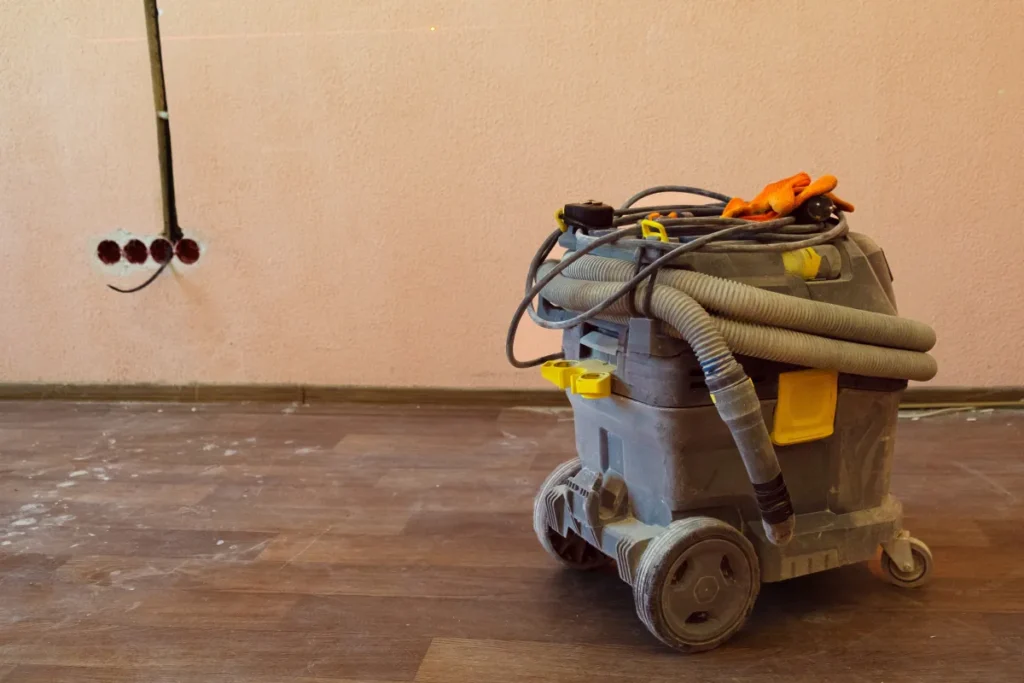
- Scrub and pick up the slurry. A floor machine loosens the finish, and a wet vacuum removes it before it dries.
- Rinse and neutralize. Leftover stripper keeps new finish from bonding, so a clean rinse matters.
- Apply thin coats of finish. Several thin coats beat one thick coat. Each one dries fully before the next.
- Let it cure. Floors usually reopen to light foot traffic within hours, but heavy furniture and carts should wait until the finish cures.
Most of this work happens after hours or on weekends so your team never has to work around wet floors. The NIOSH guidance above also stresses blocking off areas during stripping and waxing, which is a step no good crew skips.
Choosing Safer Floor Care Products
Floor strippers are some of the strongest chemicals in commercial cleaning. Ventilation, protective gear, and product choice all matter.
- Look for certified products. The EPA Safer Choice program labels cleaning products that meet its standards for human health and the environment.
- Plan for ventilation. The EPA notes that cleaning and maintenance products can raise indoor VOC levels, so we schedule work when the building is empty and keep air moving.
- Match chemistry to the floor. Low odor strippers and finishes exist for occupied buildings like clinics, schools, and senior living.
If greener products are a priority for your building, our guide to green janitorial services covers how we approach product selection.
Plan Your Next Floor Cycle
The best floor programs are planned, not reactive. Pick a time each year for a full strip in your busiest areas, schedule recoats between them, and let daily care do the rest. That rhythm keeps floors looking new and stops you from paying for strips you do not need.
Mountain Group handles floor stripping and waxing for offices, medical clinics, and facilities across the Twin Cities metro. We will look at your floors, tell you honestly whether you need a strip or just a recoat, and schedule the work around your hours. Call us at (952) 683-0955 or request a free estimate.
Frequently Asked Questions
How often should commercial floors be stripped and waxed?
Most buildings need a full strip once or twice a year. Heavy traffic areas like entries and lobbies may need it every 6 months, while low traffic rooms can go 12 to 24 months.
What is the difference between stripping and buffing a floor?
Stripping removes all of the old finish down to bare tile so new coats can be applied. Buffing or burnishing only polishes the top layer to bring back shine.
How long does floor stripping and waxing take?
It depends on square footage and how many coats go down. Most jobs are scheduled overnight or over a weekend so the floor can dry and cure before people return.
Can you wax luxury vinyl tile?
Usually not. Most luxury vinyl has a factory wear layer, and adding finish can void warranties or look cloudy. Follow the manufacturer’s care guide.
How long after waxing can you walk on the floor?
Light foot traffic is usually fine within a few hours once the final coat is dry. Wait longer before moving heavy furniture or rolling carts across it.
Is a scrub and recoat a substitute for stripping?
It can delay a strip. A scrub and recoat removes the dirty top layers and adds fresh finish, but eventually buildup means the floor needs a full strip.